
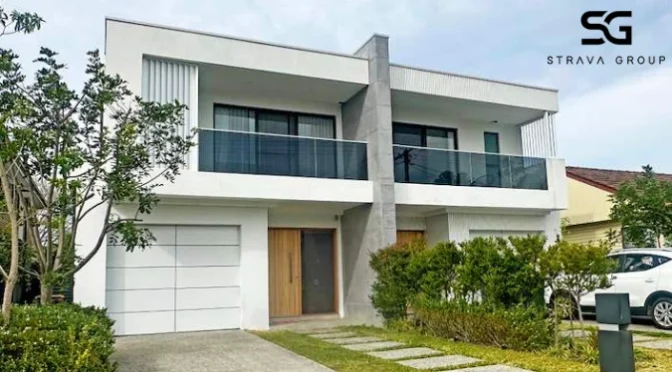
Sydney’s best houses are mostly its oldest ones. Federation homes in the inner west, interwar bungalows across St George and the Ryde district, grand old houses in Strathfield and Hunters Hill: they were built with materials and proportions nobody builds with today, and they were also built with kitchens the size of a hallway, one bathroom, and no connection to the backyard. Renovating one properly means keeping everything that makes it worth owning and rebuilding everything that makes it hard to live in. That’s most of what we do, and this is how we approach it.
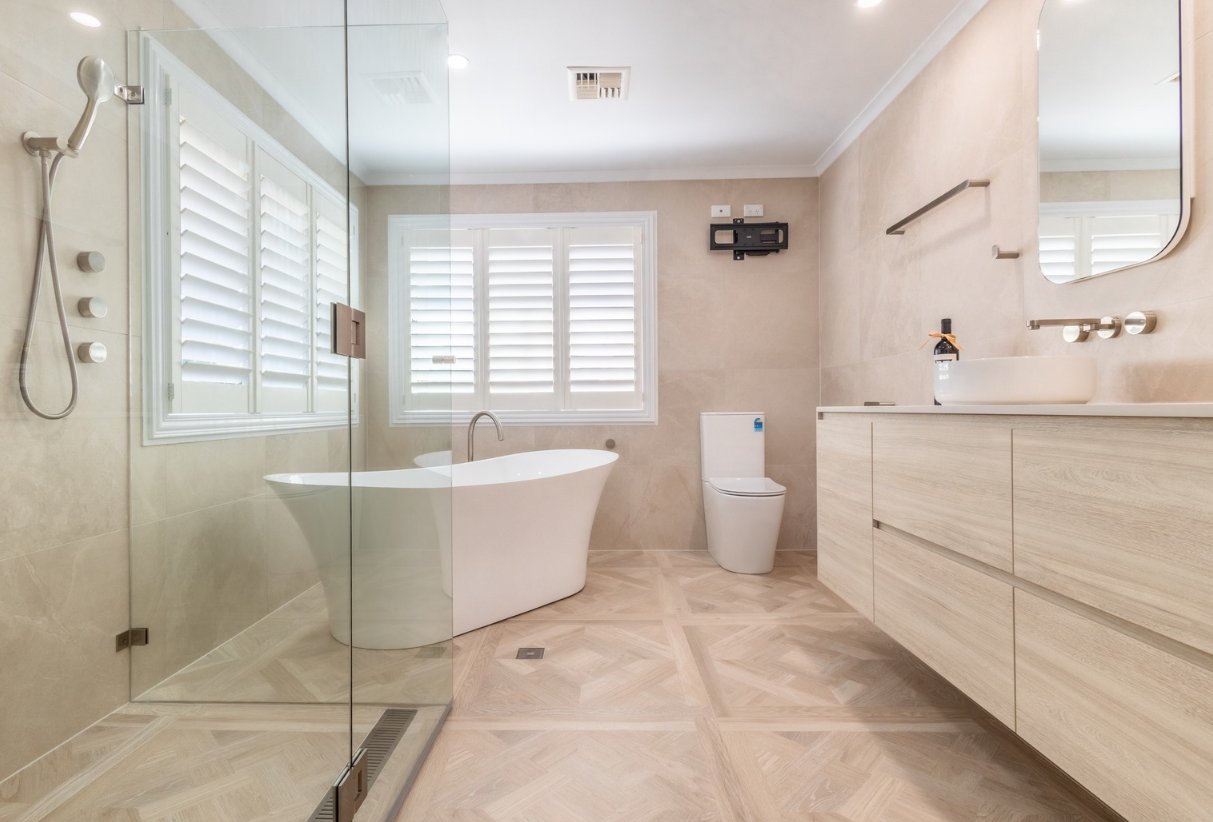
Know what you’re standing in
Before any design work, you need an honest read of the house. Older Sydney homes usually mean double brick or brick-on-timber construction, suspended hardwood floors on brick piers, lath and plaster or early plasterboard, terracotta or slate roofs, and services that were never designed for a modern kitchen, two bathrooms and a house full of appliances. None of that is a problem. All of it changes how the renovation is planned and priced, and a builder who quotes an old house the way they’d quote a 1990s brick veneer is guessing.
The structure is usually better than people fear. A hundred-year-old hardwood frame that’s stayed dry is often in better shape than far younger pine. What lets these houses down is almost never the original build. It’s the additions someone bolted on in the 1970s: the fibro lean-to kitchen, the enclosed verandah, the sunroom on ten different levels. In most of our renovations, that later work comes off and the original house gets its shape back.
Keep the front, rebuild the back
The pattern that works, street after street: the front half of an older home carries the character and the value. The rooms are generous, the ceilings are high, the detail is irreplaceable. The back half carries the problems: the cramped kitchen, the tacked-on bathroom, the laundry you walk through to reach the yard. So the renovation keeps and restores the front, and reworks or replaces the back into open plan living that finally connects the house to its own backyard.
That’s also exactly what heritage controls want. In conservation areas like Haberfield, Beecroft and much of the inner west, work that sits behind the original roofline and keeps the street presentation is well supported, and much of the value in these suburbs is protected by precisely those rules. We confirm the approval pathway for your property before quoting, because heritage listings remove the fast Complying Development option and change the timeline.
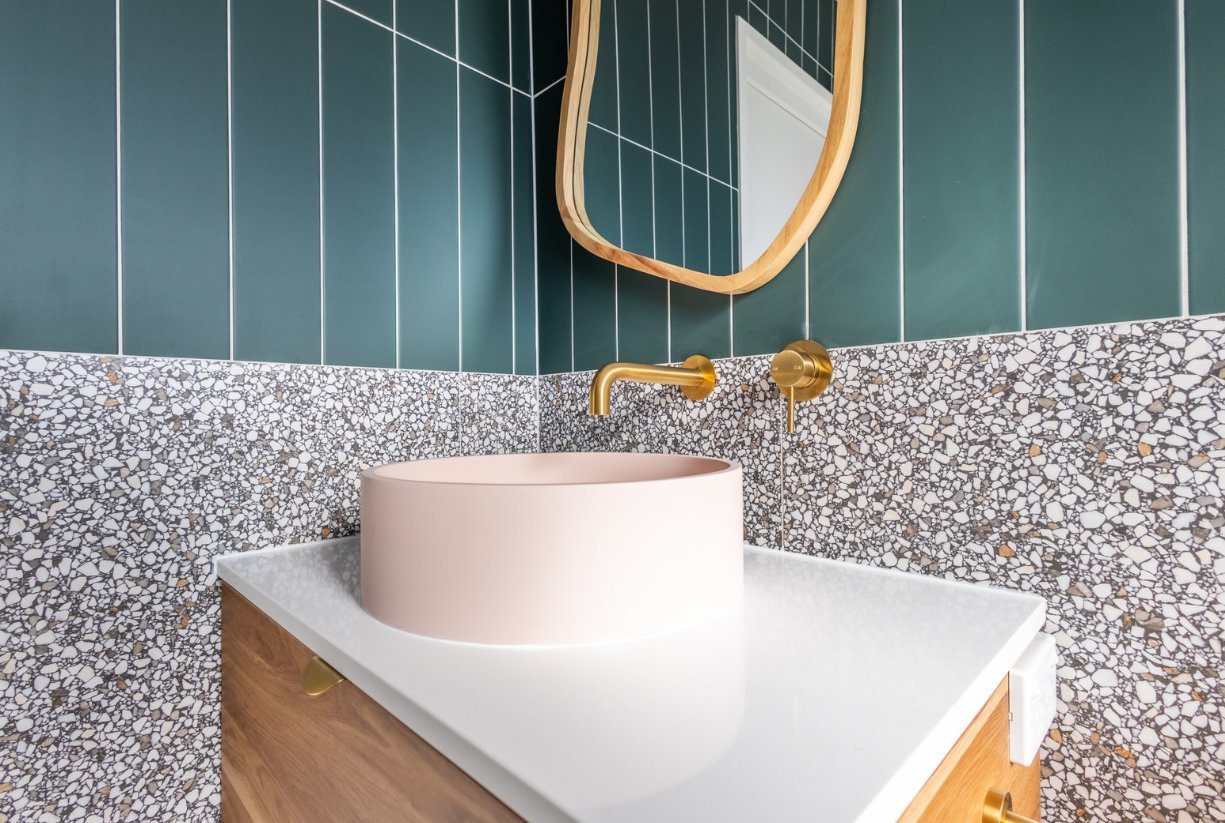
Where the money actually goes
Older home renovations carry costs newer houses don’t, and it’s better to hear them now than in a variation later. Rewiring and replumbing, because 1920s services under a modern load are a risk, not a quirk. Making new floors meet old suspended floors exactly, so you never feel the join. Engineered openings in double brick walls, properly propped and tied. Footings for any new work designed against original footings that were laid by hand and never engineered. And matching or deliberately contrasting materials, because the original face brick usually isn’t made anymore.
Most of our full internal renovations land between $180,000 and $450,000 depending on scope, and older homes tend toward the middle and upper part of that range for the reasons above. The full breakdown is on our home renovations page. If the house needs more space as well as renewal, a rear extension is often staged with the renovation so the walls open once and the preliminaries are paid once: see home extensions for how that works.
The junction rule applies here more than anywhere
Everything we write about extensions failing at the junction between new and old applies double in a heritage renovation, because the old side of the junction is irreplaceable. New work has to be tied to original structure without damaging it, waterproofing has to be a documented hold point, and everything gets photographed before it’s covered so in ten years you know exactly what’s behind your walls. A cheap renovation on a good old house is the worst money you can spend, because it costs real money and subtracts value.
Get an honest read on your house
If you’re weighing up whether your older home is worth renovating, the answer is almost always yes, and the real questions are scope and sequence. Tell us about your home and we’ll walk it with you, tell you what’s original and worth keeping, what’s later work that should go, and what the renovation actually costs, no cost, no obligation. And if the house genuinely isn’t worth the spend, we’ll tell you that too.

